
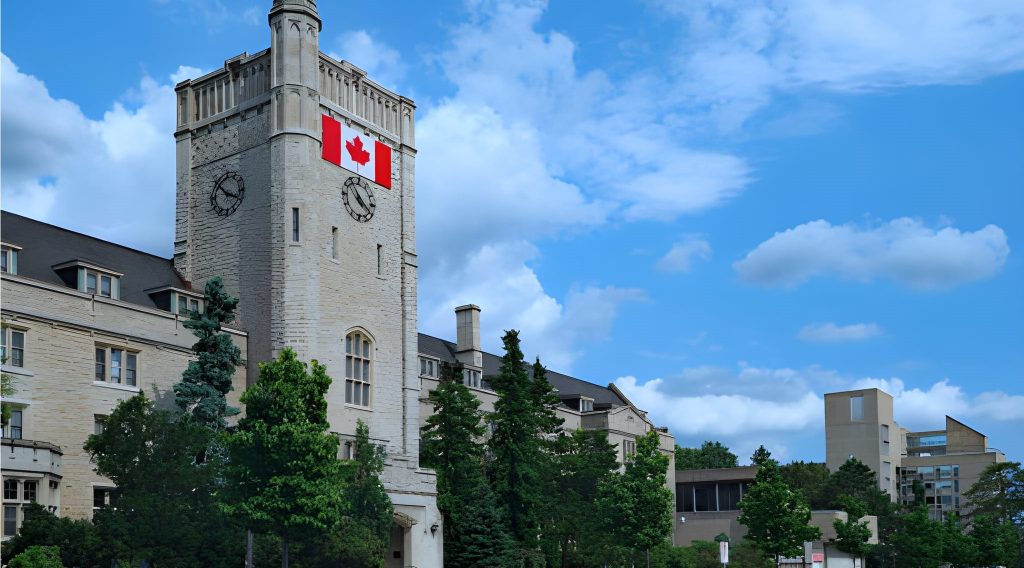
Studying in Canada has become a viral topic to debate for many international students, including those from Nigeria. It’s not about the tuition and living costs, but something even more serious. IRCC has tightened Canada’s immigration laws in a bid to address housing shortages and rising unemployment caused by the enormous number of new immigrants in the country.
Since studying in Canada offers a route to permanent residency, the government of Canada had to close several programs to curb immigration. Now to the question, is it still a good decision for international students to study in Canada? Yes, it is. While many things have changed in Canada’s Immigration laws in recent years, the benefits remain immense. This guide explores reasons why Canada should be your study destination for 2026 and what to start doing now to set up a strong case.
Why study in Canada in 2026?
- The new immigration law in Canada increased working hours for international students, allowing you to work up to 24 hours per week while attending classes. During semester breaks and holidays, you can work for over 40 hours a week, and you will not have to obtain a work permit.
- Canada is one of the world’s most peaceful countries, and everywhere here is safe for foreigners of all nationalities, races, and ethnic groups.
- Quality of life is excellent in Canada, with public services like healthcare offered for free.
- The Canadian embassy or consulate is certain to grant your visa if you meet all requirements, though qualifying for a study permit can be challenging.
- Exchange rates for Canadian dollars to Naira are lower than other foreign currencies. As of today, you can change C$1 to approximately ₦1,050, which makes studying in Canada even cheaper.
- It requires a shorter stay in Canada to qualify for permanent residency, compared to other study destinations that demand at least 730 days of residence within the previous five years.
- You need a significantly lower amount of money to study and live comfortably in Canada, unlike countries like the United States and the United Kingdom.

Cost of studying in Canada from Nigeria
- Tuition: C$15,000 to C$25,000, per year
- Accommodation: C$700 to C$2,500, per month
- Food and groceries: C$300 to C$400, per month
- Telephone bills: C$15 to C$40 per month
- Health insurance: C$600 to C$900 per year
- Public transit: varies, costing around C$100 per month
Overall, you need around forty million Naira to cover your educational and living expenses in Canada. You must also provide proof of funds of at least C$22,895 or C$15,508 (for Quebec) when applying for your study permit.
Note that the total expenses you’ll incur vary depending on your choice of school, program, location in Canada, and your other preferences.
What to start doing now to set up a strong case by 2026
As new policies are unpredictable and IRCC reserves the right to change immigration laws anytime, below are some tips to improve your chances:
- Choose the right study program: Not all programs qualify for Canada’s Post-Graduation Work Permit (PGWP). The most eligible programs are in-demand courses, such as health and STEM fields, whose duration is at least eight months.
You must enroll at a designated learning institution (DLI) to meet part of the academic requirements.
- Improve your language skills: Scoring high in language proficiency tests can increase your eligibility for PR pathways, such as the Express Entry and provincial nominee programs.
- Build a portfolio: Create a CV in Canadian format and draft a generic cover letter that you’ll use to apply for jobs upon arrival in Canada. When you get these two documents ready, you’ll be more prepared for the highly competitive Canadian job market and can quickly start gaining work experience, which can qualify you for a PR permit.
- Stay up-to-date on Canada’s immigration news: Rules are unstable, and the government of Canada can change immigration policies without prior notice. However, most updates take a few months to be implemented, which might not affect your application if you act swiftly.
Conclusion
Canada remains one of the cheapest countries with good career prospects for Nigerian students. Undergraduate and graduate students can take advantage of several academic programs to realize their dreams of moving to Canada via the study route.
While studying in Canada is still worth it today and for the coming years, our travel agency, DexTravl, can help you with the hardest part: choosing a PGWP-eligible program and securing admission into one of the best colleges or universities offering high-quality programs with low tuition. We’re just a call away to serve your study abroad and other travel needs.